Script Art: The Modern Script Font for Any Project
There's a particular kind of font that feels less like a tool and more like a collaborator. It doesn't just sit on the page; it brings a mood, a personality, a certain energy that can transform the entire feel of a design. Script Art is precisely that kind of typeface. It’s a stylish, modern script font that walks a fascinating line between formal elegance and casual flair, making it a surprisingly versatile asset for a huge range of creative work.
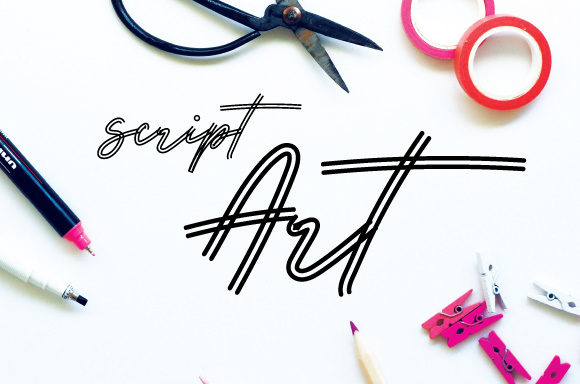
At its core, Script Art is a handwritten font with a refined, contemporary edge. You won't find the stiff, overly ornate swirls of traditional calligraphy here. Instead, think of it as a confident, flowing hand—the kind you'd see on a beautifully designed wedding invitation or a high-end product label. Its letterforms have a natural, organic rhythm, with graceful connections and a subtle bounce that keeps it feeling approachable. The personality is one of sophisticated creativity. It feels personal and authentic, yet polished enough for professional applications. This balance is its superpower, allowing it to elevate a casual blog post header just as effectively as it can lend an artisanal touch to packaging design.
Where Script Art Truly Shines
The beauty of a premium font like this lies in its adaptability. It’s not a one-trick pony. While it excels in projects that call for a personal touch, its modern sensibility means it can be deployed in contexts you might not initially consider. For brand identity, Script Art is a fantastic choice for businesses that want to project warmth, craftsmanship, and approachability. Imagine it as the logotype for a boutique coffee roaster, a custom stationery shop, or a creative consultancy. It instantly communicates a story of care and individuality.
In editorial design, it can create stunning pull quotes, chapter titles, or magazine coverlines that draw the reader in. For web design, it’s a powerful hero element. Using Script Art for a homepage headline or a call-to-action button can break the monotony of standard serif and sans serif fonts, guiding the visitor's eye and establishing a memorable visual hierarchy. The same principle applies to social media graphics. In a sea of uniform text, a post featuring Script Art for a key phrase or a testimonial will have a distinct, thumb-stopping quality.
Practical Applications Beyond the Obvious
Let's get specific. Entrepreneurs can use this creative font for logo design on their Etsy shop or for creating cohesive branding across their product tags and thank-you cards. Marketers can leverage its personality for email headers that feel less corporate and more conversational, or for digital ads where a human touch increases engagement. Bloggers and content creators will find it invaluable for creating branded graphics, podcast cover art, or even styling the header of their newsletter to make it feel more like a personal letter.
For crafters and hobbyists, the applications are nearly endless. It’s perfect for custom t-shirt designs, mugs, tote bags, and printable wall art. The flowing script adds a professional, polished look to handmade goods, potentially increasing their perceived value. In print, it’s a standout for event invitations, menus, wine labels, and business cards. The key is to think of Script Art not as a replacement for your primary body text font, but as a powerful accent—a display font that carries the emotional weight of your message.
Integrating Script Art into Your Design Toolkit
Adopting any new typeface requires a bit of strategy. First, consider the project's audience and tone. Script Art’s modern style makes it suitable for a wide demographic, but it leans towards brands and projects that value aesthetics and a personal connection. It’s less suited for, say, a technical manual or a corporate law firm's website, but perfect for lifestyle, food, fashion, arts, and personal branding.
Next, think about font pairing. A script font like Script Art rarely works well on its own for large blocks of text. Its strength is in headlines, logos, and short phrases. Pair it with a clean, neutral sans serif font for body copy to ensure maximum readability. A classic, sturdy serif can also work beautifully for a more traditional, yet still modern, feel. The contrast between the expressive script and the utilitarian body font creates a clear visual hierarchy and makes the design feel intentional and professional.
When evaluating this commercial font for a project, do a test run. Set your actual headline or business name in it. Does the letter spacing feel right? Does the flow of the letters create an appealing shape? Check the included styles—does it have the weights or alternates you need? Most importantly, check the licensing. If you're using it for a client project or a product you sell, ensure you have the appropriate commercial license. This is a standard practice for any design asset and protects both you and the font creator.
Finally, always prioritize readability. While Script Art is designed for clarity, the context matters. Use it at a size where the delicate strokes and connections are legible. Avoid setting entire paragraphs in it. Test it on different backgrounds and in both large and small sizes to see how it performs. A beautiful font loses all its value if your audience can't easily read the message.
In the end, Script Art is more than just another script font. It’s a versatile tool for adding a layer of human touch and sophisticated style to your work. By understanding its personality and applying it thoughtfully, you can leverage its potential to create designs that don’t just look good, but feel genuinely engaging and memorable. It’s the kind of asset that earns its place in your library by being the perfect solution for projects where you need to communicate with both elegance and heart.